


(Dr Pentapati Pullarao)
There is a curious pattern emerging in the Congress, where it is in power in four states. The central leadership appears reluctant to empower its chief ministers. Instead, competing leaders and rival power centres are kept alive. The result is a chief minister who is constantly required to visit Delhi. Is this a deliberate strategy by Congress high command to keep state leaders dependent on Delhi?
The strategy of “divide and rule” was practiced by the Congress even from the time of the great Nehru, who also had rivals and dissidents. After the 1962 Chinese debacle, Nehru came under great criticism. To get rid of rivals within the Congress party, Kamaraj Nadar, chief minister of Tamil Nadu, brought up the “Kamaraj Plan”, under which senior leaders would resign, and six Congress chief ministers resigned.
During Indira Gandhi’s time, from 1971 to 1984, when she was total master, it was a policy to have two or more groups in every state, so that no state leader would become too powerful. Powerful leaders like Devaraj urs of Karnataka were even expelled. This policy continued during Rajiv Gandhi’s time and during P. V. Narasimha Rao’s time.
A chief minister who becomes too powerful can eventually become difficult for the central leadership to control, as he develops his own MLAs, financiers, organizational network and public following. Keeping several leaders competing with one another can therefore appear to the high command to be a safer option than allowing one leader to dominate an entire state.t.
Now the present Congress High Command maybe trying such strategies against some Congress chief Ministers.
1. Karnataka: A Clear Example
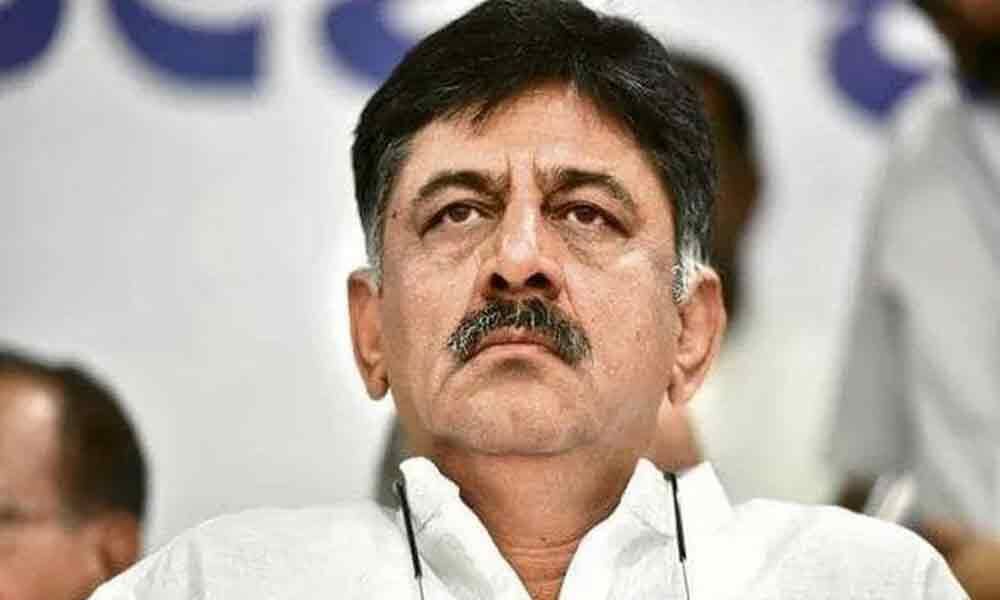
The Congress formed the Karnataka government with Siddaramaiah as chief minister. In 2026, D. K. Shiva Kumar became chief minister, much against the wishes of the Congress high command. The high command feared that Shiv Kumar would become a powerful chief minister beyond its control. So, since Shiva Kumar became chief minister, the Congress high command controls him by refusing to make his followers ministers and making him visit Delhi repeatedly for many reasons. Shiva Kumar has to accept portfolios as ordered by Delhi. All this makes Shiva Kumar weaker. One good example is that there is not a single woman minister in the Cabinet. Shiva Kumar recommended many women, but the high command refused to make them ministers. In fact, when Shiva Kumar was deputy chief minister, he was more powerful.
The important point is that not whether Delhi is deliberately encouraging this rivalry. The existence of two powerful groups gives the Congress High Command enormous leverage. Congress must ultimately decide whether Karnataka requires a strong chief minister or it wants a weak chief minister. .
Telangana: Revanth Reddy’s Growing Challenge
Revanth Reddy is thought to be the architect of the Congress victory in Telangana. He rose rapidly within Congress, became TPCC president and then led the party to victory in Telangana. Recent developments involving various congress leaders have exposed tensions inside the Telangana Congress. .
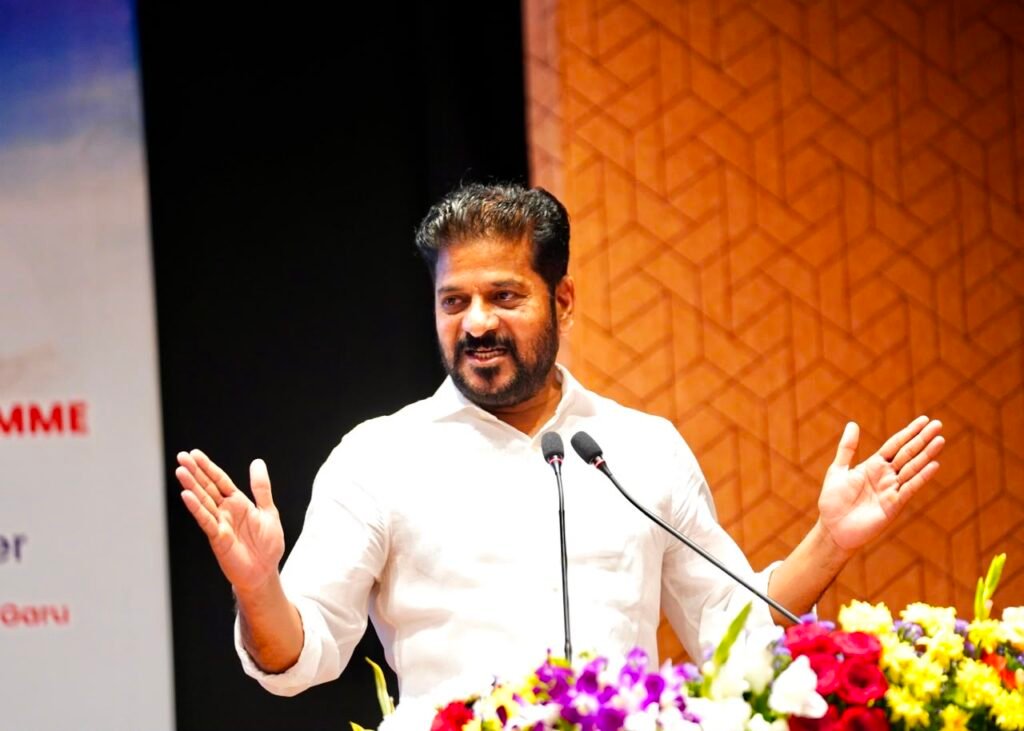
If the high command backs Revanth completely, it strengthens the chief minister. If it allows dissident voices sufficient room, it weakens his authority. A chief minister constantly negotiating with rivals remains more dependent on Delhi becomes un-popular in the peoples’ view. Congress High command has to find the right balance between the chief minister and his opponents.
Kerala and Himachal Pradesh
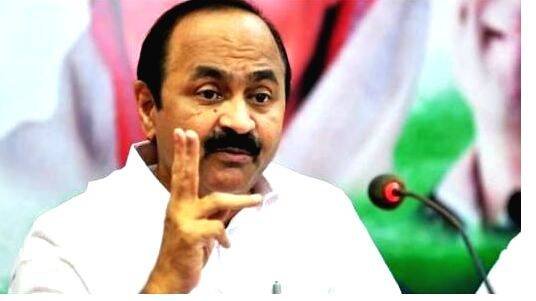
Kerala and Himachal Pradesh have 2 Congress chief ministers. In Kerala in May 2026, V. D. Satheesan became chief minister, defeating K. C. Venugopal, who is easily the most powerful man in the Congress today after Rahul Gandhi. There is an uneasy truce in Kerala, since Satheesan has great public support.
In Himachal Pradesh, Chief Minister Sukhvinder Singh Sukhu has faced the familiar pressures of facing dividends. But Himachal is not an important state. Congress high command does not pay much attention to Himachal Pradesh.
The Danger of the “Divide and Rule” Strategy
The divide-and-rule strategy was employed by British rulers in India successfully for nearly 100 years. When the Congress uses that strategy for its own party leaders, there is a grave danger that the party itself will lose.
There is a difference between managing factions and manufacturing factions. The first is normal politics; the second can become destructive. If the Congress leadership deliberately encourages dissidence to prevent chief ministers from becoming too powerful, it may eventually lose the state.
A chief minister needs political authority to take unpopular decisions. If Ministers & MLAs begin appealing directly to Delhi, then the chief minister becomes weak and will be unable to face elections.
Congress’s biggest problem has historically been the fear of strong regional leaders. Karnataka and Telangana are the most important states for Congress, and they are known to provide big support. Naturally, the Congress worries whether the chief ministers are becoming too powerful.
The choice before the Congress is to allow chief ministers to become independent and powerful. But the fear is that eventually the chief ministers will become too powerful to control and may go their own way.
Karnataka and Telangana are critical states for the Congress. Elections are due in these two states within two years. In the old days of Nehru and Indira Gandhi, things were different, as they had personal popularity. Right now, there can be no doubt that D K Shiv Kumar of Karnataka was more powerful as Deputy chief Minister than he is now as chief minister. Chief Minister Telangana is also facing problems.
Let us see how the Congress High Command handles internal dissidence in both the states.
(Author is a Political Analyst based in New Delhi)