

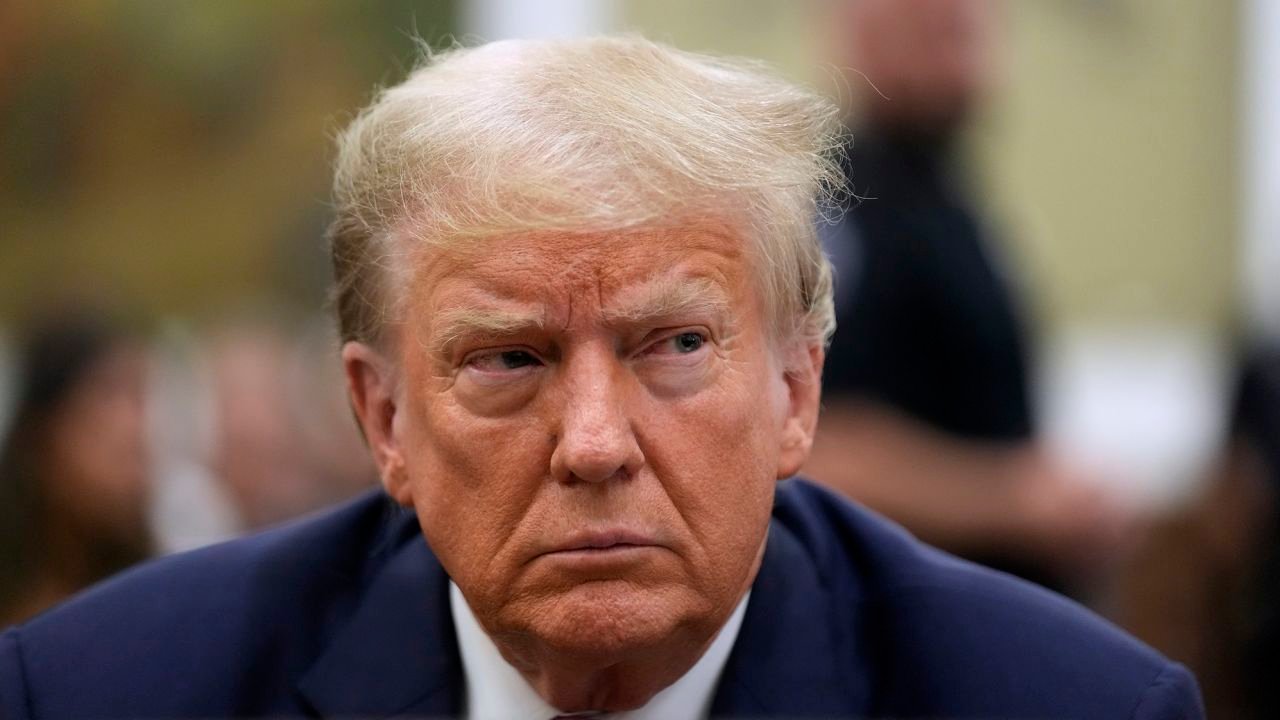
Most intellectual President of America
(Dr Petapati Pullarao)
There is a general tendency across the world to underestimate American President Donald Trump and speak about him in a deprecatory manner. However, the reality is that he is likely to be remembered as one of the most impactful Presidents of United States.
Trump first became President in 2017. During his four-year term, he emphasized strict immigration controls and adopted a hard line against Islamic terrorism. He imposed un-precedented travel bans on several Islamic countries. His presidency between 2017 and 2020 was marked by numerous controversies and he eventually lost his bid for re-election in 2020.
Many people expected Trump to fade away after that defeat. Astonishingly, the Trump won the 2024 U.S. presidential election. Between 2021 and 2024, he faced multiple criminal and civil cases and spent considerable time in court. Yet he secured one of the most unexpected victories in American history. Before Trump, only President Grover Cleveland won a second term presidency after losing re-election in 1892. How can one under-estimate Trump who won 2 terms as President?
Second-Term Activities
1. Tariffs
Trump’s first major action in his second term was to impose steep tariffs on foreign countries, arguing they had been exploiting America. The world reacted with shock at such steep tariffs. Eventually, many countries sought compromises with the United States. Although some of the original tariffs were later reduced, tariff levels remain higher than they were before Trump became President.
2. Make in USA policy
Trump continued his “Make in USA” agenda by encouraging American companies to manufacture within the United States. While he did not achieve all of his objectives, he succeeded in persuading several American and foreign companies to invest in new manufacturing facilities in the country.
3. Border Controls and Immigration
From an Indian perspective, Trump’s stricter visa policies created difficulties for many Indians. However, from Trump’s perspective, his immigration policies have been a major success. Illegal immigration has declined sharply, and immigration enforcement has become much stricter than under previous administrations. In 2016, during Obamas’ term, it is estimated 10 lakh illegals got into the USA. All illegal entries have been stopped.
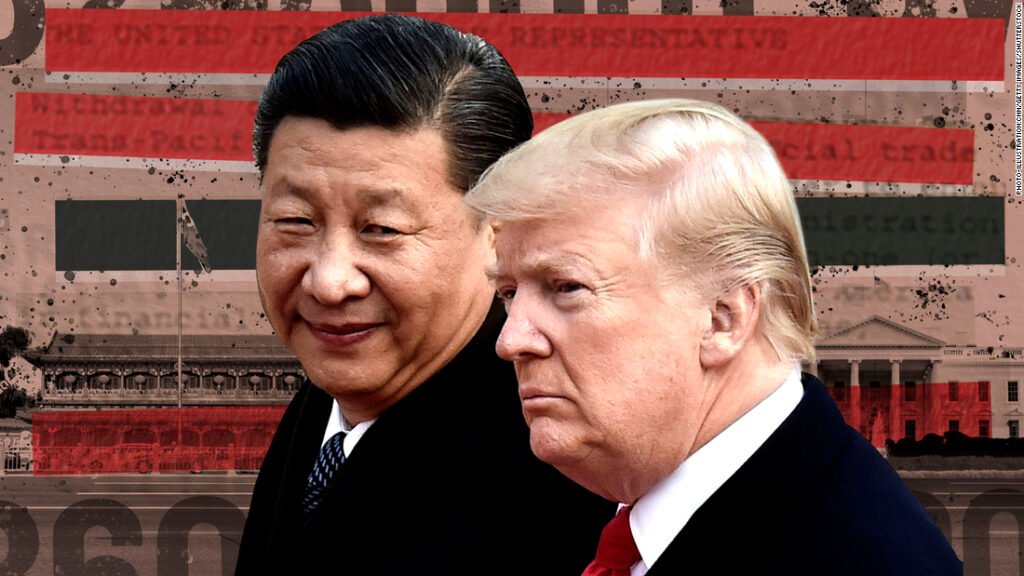
4. Trump and China
From 2025, Trump openly criticized China, imposed higher tariffs and spoke very roughly of China. Although the United States had to moderate its position because China used its monopoly in rare earth minerals as leverage, China was nevertheless challenged in a way that few previous American presidents had attempted. For Beijing, it represented an unusually harsh and insulting approach by the USA, which never happened since 1971.
5. Trump and Europe
Since 1945, Europe and the United States have maintained a close strategic relationship. Trump questioned whether European countries were contributing enough to their own defence or simply exploiting America. His pressure led many European governments to increase defence spending. And make other policy adjustments. In general, Europe has been cut to size.
India benefitted from Europe being cut to size, as Europe hastily signed trade deals with India and generally became a better friend of India.
6. Trump and Venezuela
For decades, the United States pursued a policy of diplomatic and economic pressure against Venezuela without achieving regime change. But Trump suddenly invades Venezuela and changed the government. As Venezuela’s oil production returned to international markets, it helped moderate prices. India is buying huge quantities of Venezuelan oil.

7. Trump and the Iran War
Since the 1979 Iranian Revolution, the United States and Iran have frequently confronted one another through proxy conflicts across Lebanon, Yemen, Gaza, Iraq. In 2015, the United States signed a nuclear agreement with Iran, but Trump withdrew from the agreement during his first presidency.
Few expected the United States and Israel to engage in direct military conflict with Iran. War always carries enormous risks because no one can predict how it will end. On February 28, 2026, the United States and Israel began military operations against Iran. Although a ceasefire has periodically taken effect, hostilities have continued intermittently. Trump became the first American president since 1979 to authorize war against Iran.
Some observers argue that Iran performed well militarily. Others believe Iran is now seeking a negotiated settlement. Iran recognizes Trump’s willingness to resume military operations if diplomacy fails. Many analysts believe that a peace agreement will eventually happen, because Iran knows Trump will start war again.
Trump’s Style
Many people believe that Trump often makes dramatic statements, issues strong threats, and later modifies or withdraws them. However, there may be a strategic method behind this approach. By creating uncertainty, Trump makes it difficult for opponents to predict his next move.
Political scientists have sometimes described this approach as the “madman theory,” where a leader deliberately appears unpredictable so that adversaries hesitate to challenge him. Trump has, on several occasions, backed up his rhetoric with the use or threat of military power. Supporters argue that this unpredictability strengthens deterrence and affects the morale and calculations of America’s rivals.
Trump recently remarked that he never truly loses and that he has succeeded in every election and every aspect of life. There is little doubt that governments across the world take his words and actions seriously.
Trump still has around thirty months remaining in his presidency. Leaders across the world are cautious in dealing with him because they believe that challenging him may have consequences. Trump does what he wants, and his abuse of leaders harms them, not him.
India has on the whole, handled Trump carefully. When Trump began criticizing India in 2025, India avoided direct confrontation, and Prime Minister Modi did not meet Trump for a year. Trump understood that India and Indian leaders will not be taken lightly. Trump will be there for 30 months. Indian leaders must work with him and around him. There is no other alternative, since unlike other countries, India has millions of people who want to work and live there.
(Author is political and economic analyst based in New Delhi)