
Modi is using women reservation bill as a ‘political tool’
demands a debate in Parliament and all Assemblies, constitute an Expert Committee and consultation with all parties on delimitation
CM proposes ‘Hybrid Model’ in delimitation of the constituencies
Of the 272 seats proposed to be increased, 136 seats should be redistributed based on the pro-rata and the remaining 136 seats based on GSDP
Numbers are important and not percentage in the delimitation
CM to write letters to all Southern states including small states like Punjab and Delhi
Discrimination against South India despite a big contribution to the Indian economy
Kishan Reddy and Bandi Sanjay would have to stand like Peons in front of PM Modi office if the delimitation done on the basis of 50 per cent increase of seats
Why the Centre is in hurry by convening a special session of Parliament on delimitation and women reservation bill simultaneously?
Congress will support women reservation bill based on 2026 census
CM questioned the centre for introducing the women reservation bills as per 2011 census
BJP consider women as second grade citizen in the country
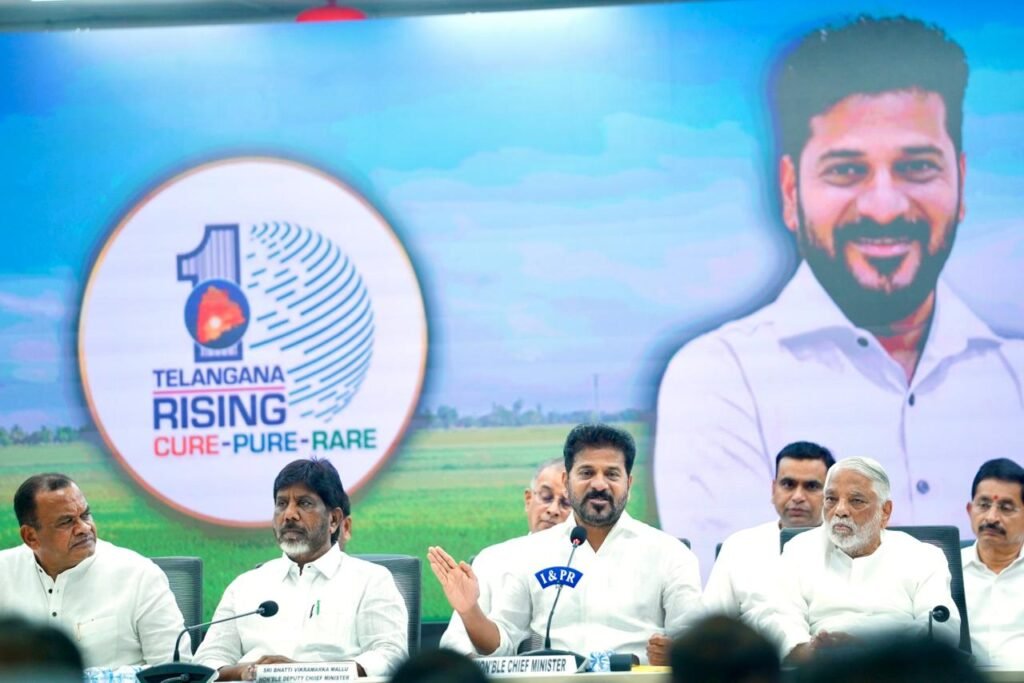
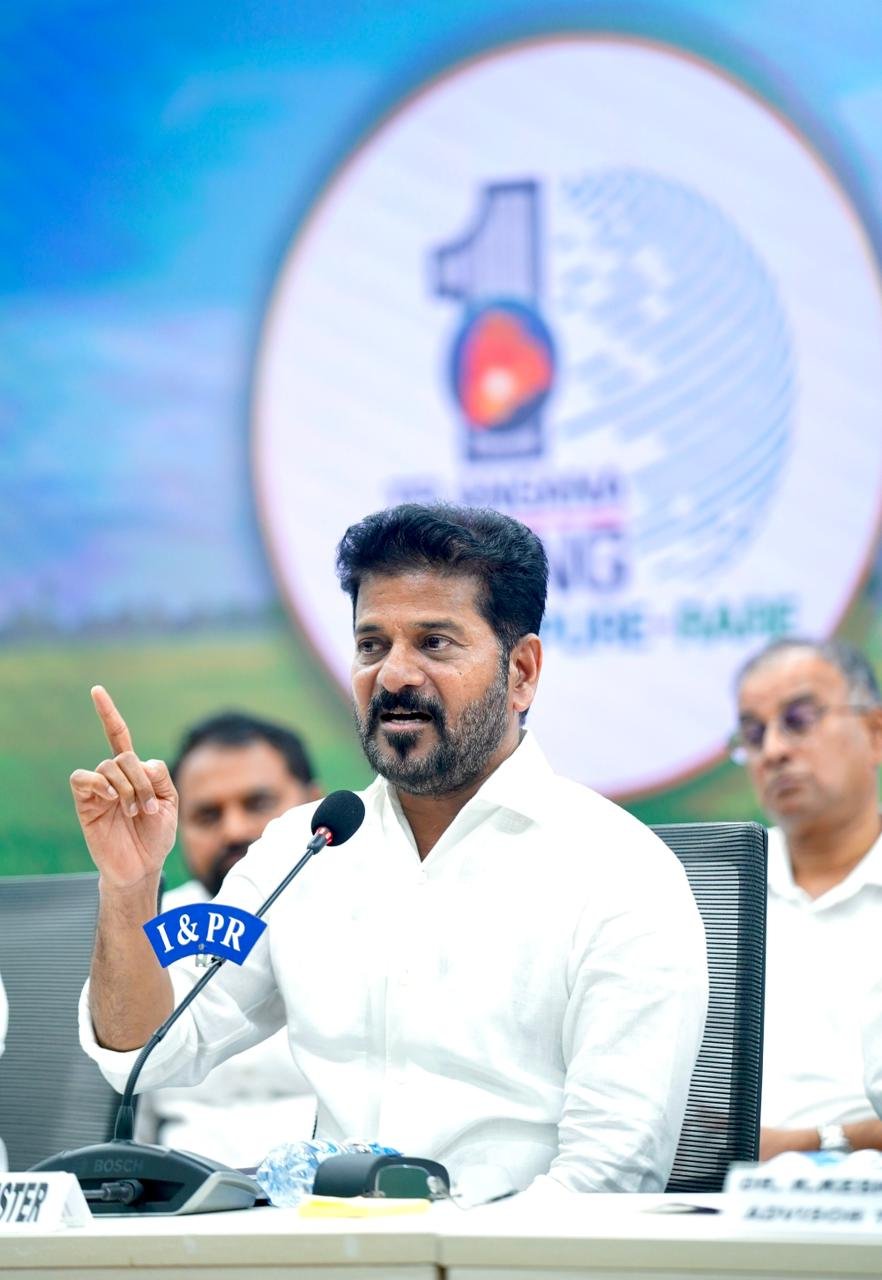
Hyderabad, April 13: Telangana Chief Minister Shri A Revanth Reddy took a strong dig at Prime minister Narendra Modi for portraying the enactment of the women reservation bill and the delimitation of the constituencies as a single issue. Demanding the Union government for a debate in the Parliament and all Assemblies, constitute an Expert Committee and consultation with all parties on the delimitation, the Chief minister proposed a “Hybrid Model“in the reorganization of the constituencies in the country.
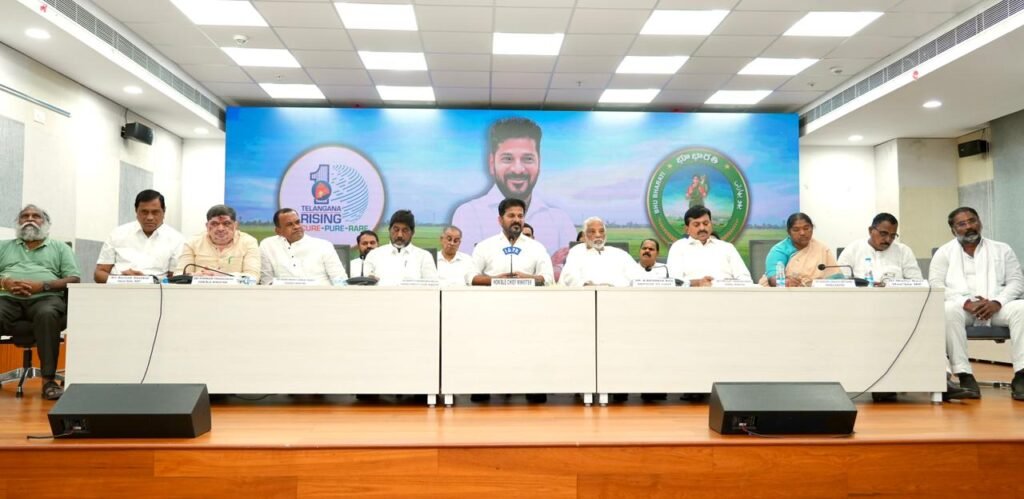
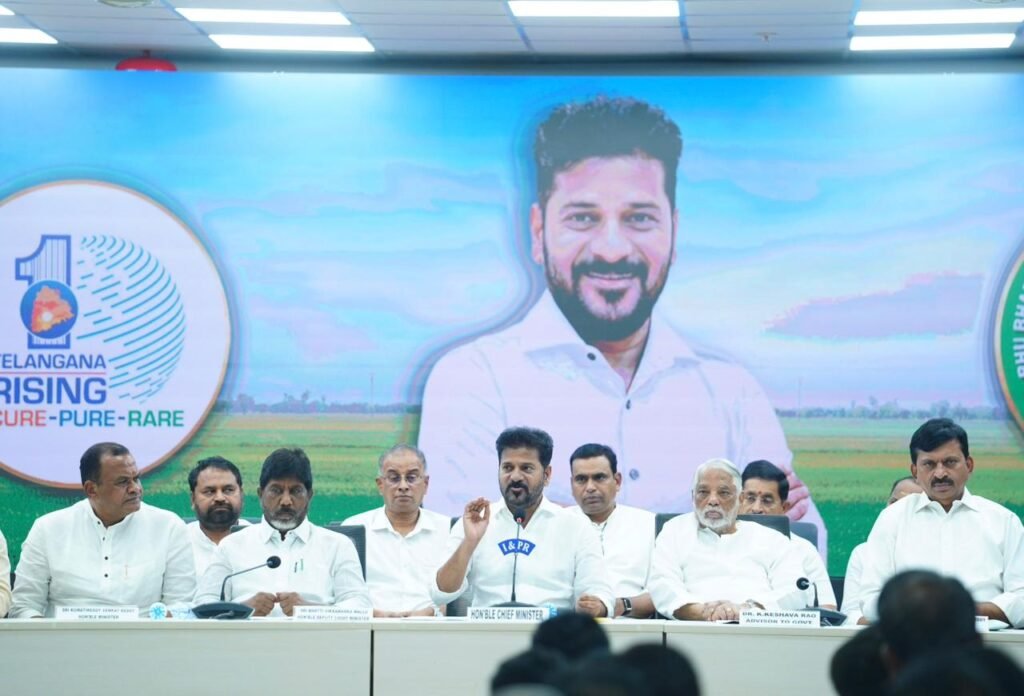
Addressing a press conference in the State Secretariat today, the CM wondered why the centre was creating a sense of urgency by summoning a special session of Parliament to address both the delimitation of constituencies and the Women’s Reservation Bill. CM Revanth Reddy alleged that the center was strategically moving to project an impression that the opposition parties were not supporting the women reservation and delimitation. The two important national issues should be seen as separate and discussed separately before finalizing the modalities.
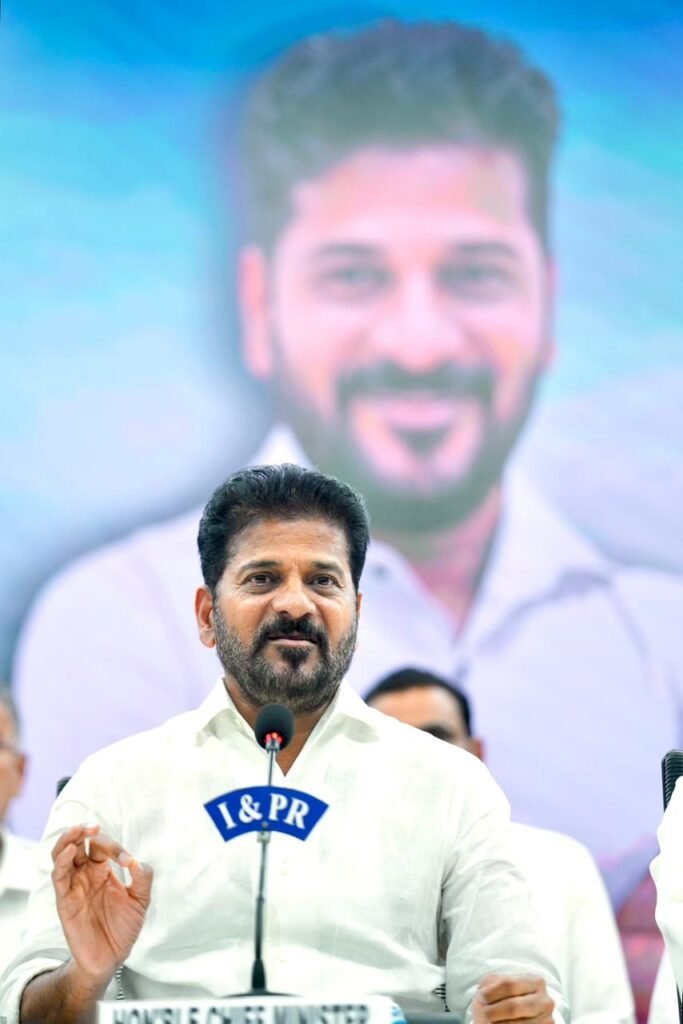
Referring to the Women’s Reservation Bill, the Chief minister emphasized that a law should be enacted only after the 2026 census. If the provisions were amended in accordance with the 2026 census, women’s reservations could be implemented in the 2029 Lok Sabha elections, as well as in the assembly elections of various states, the CM pointed out that, in 2023, the Congress party extended its full support to the Women’s Reservation Bill. There would have been an opportunity for 181 women to be elected out of the 543 seats had a 33 percent reservation been provided for the 2024 Lok Sabha elections. The CM made it clear that the Congress is committed to the women quota and ready to support the Women’s Reservation Bill based on the 2026 census. The Chief minister recalled that the bill was passed in the Rajya Sabha under the leadership of Sonia Gandhi during the Congress rule . However, the Women’s Reservation Bill did not get approval because the BJP had not supported it .
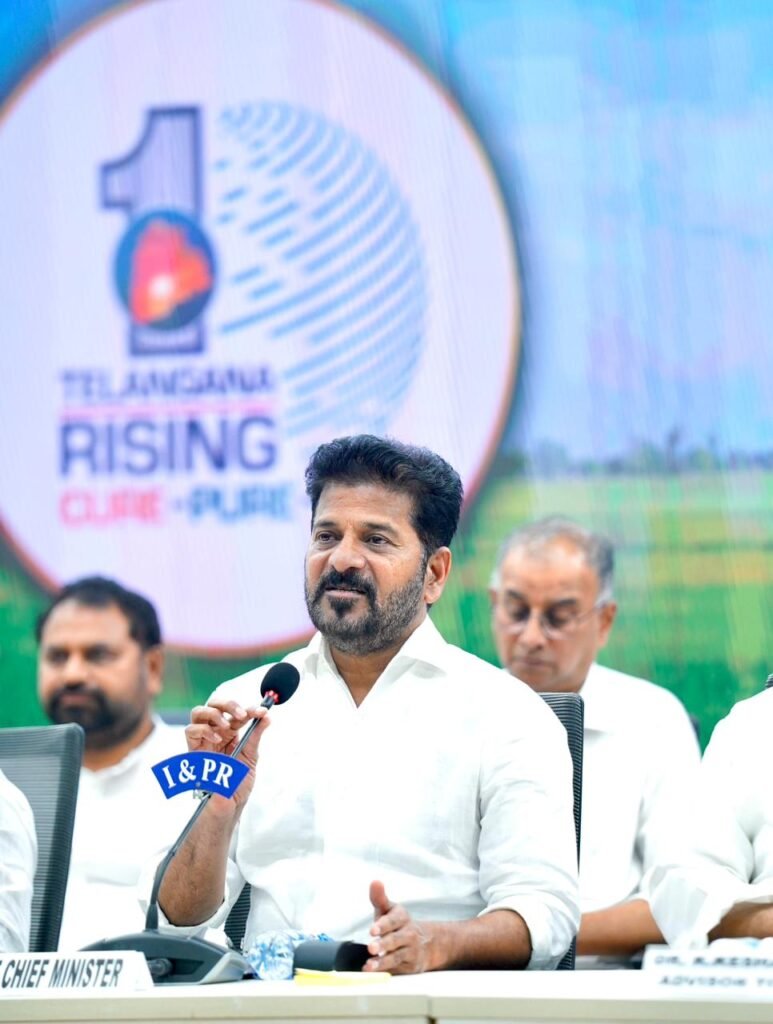
CM Revanth Reddy noted that the BJP government failed to implement the law immediately upon its passage in the Lok Sabha by inserting some conditions. The CM questioned the centre for advancing the legislation based on the 2011 census instead of completing and implementing the 2026 census.
The CM highlighted the Congress role in the empowerment of women in politics in the country. Congress party has provided opportunities for women to hold numerous constitutional offices—including those of Prime Minister, President, Lok Sabha Speaker, Chief Minister, and Governor. Rajiv Gandhi introduced reservations for women in local bodies. Not a single woman has ever been appointed as the President of the BJP, the CM charged.
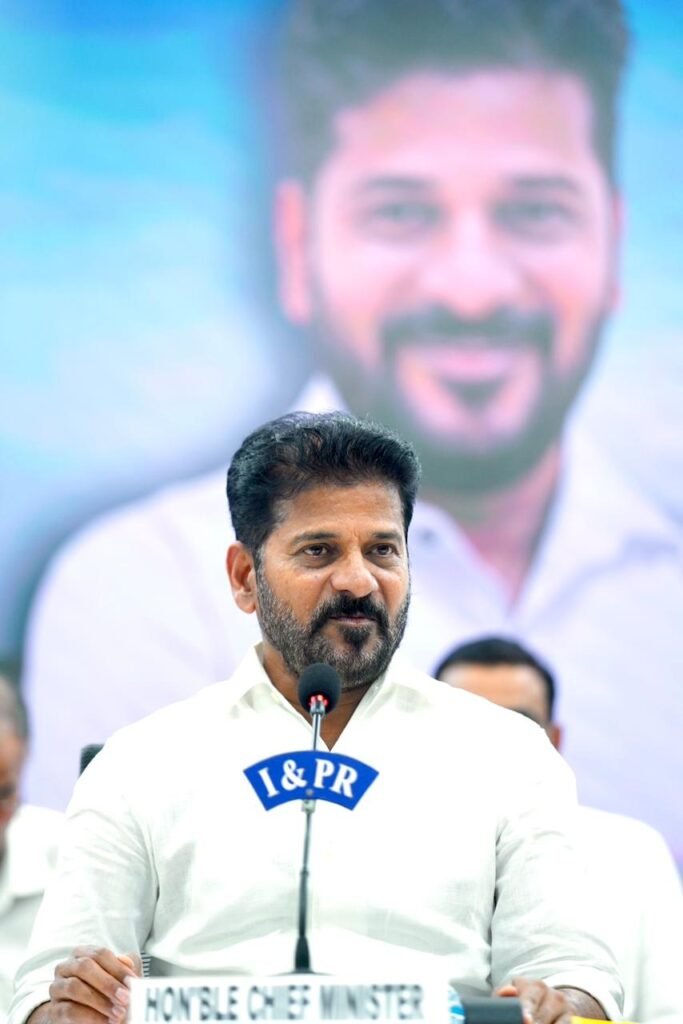
On the delimitation of the constituencies, the Chief minister proposed a “Hybrid Model”. Of the 272 seats proposed to be increased, 136 seats should be allocated based on a pro-rata basis and the remaining 136 seats should be allocated based on Gross State Domestic Product (GSDP). Priority should be given to those states that contribute the largest share to the national gross output.
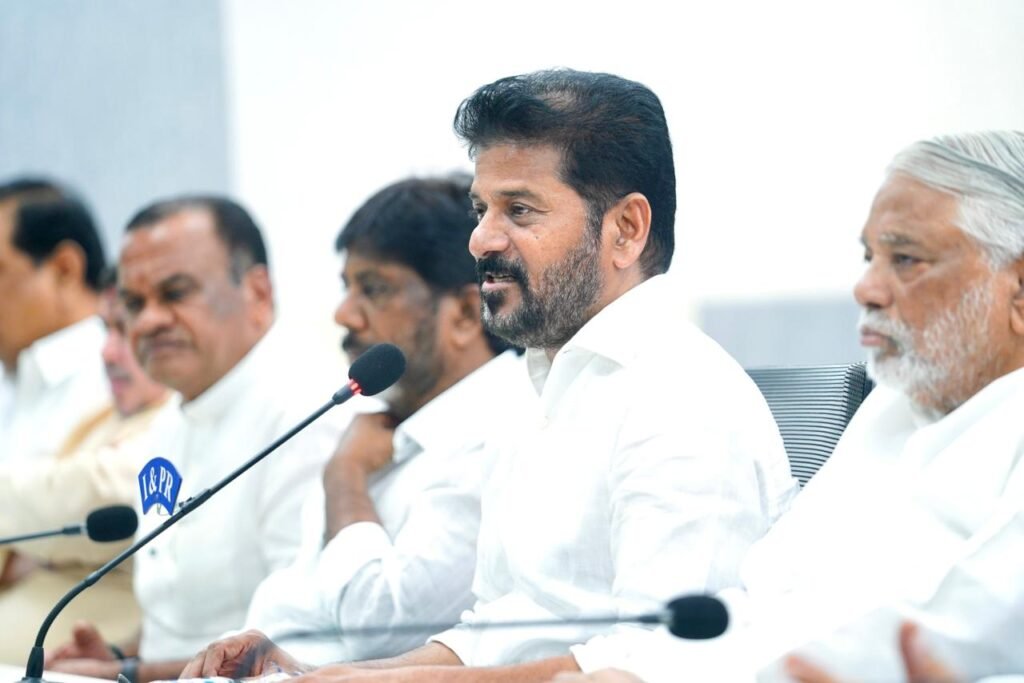
Further, the Chief minister took strong objection to PM Modi’ proposal of 50 per cent increase in seats. This would be detrimental to the very survival of the nation. The CM explained that the disparity in seats between Kerala (which has 20 seats) and Uttar Pradesh (which has 80 seats) stands at just 60 seats. If the 50 per cent increase is implemented, this gap would widen to 90 seats. The gap in seats between Telangana and Uttar Pradesh would widen to 94 seats. The Southern states collectively hold 130 seats (if increased by 50 percent) this total would rise to only 195 seats. The Northern states which currently hold 413 seats will have 621 MP seats.
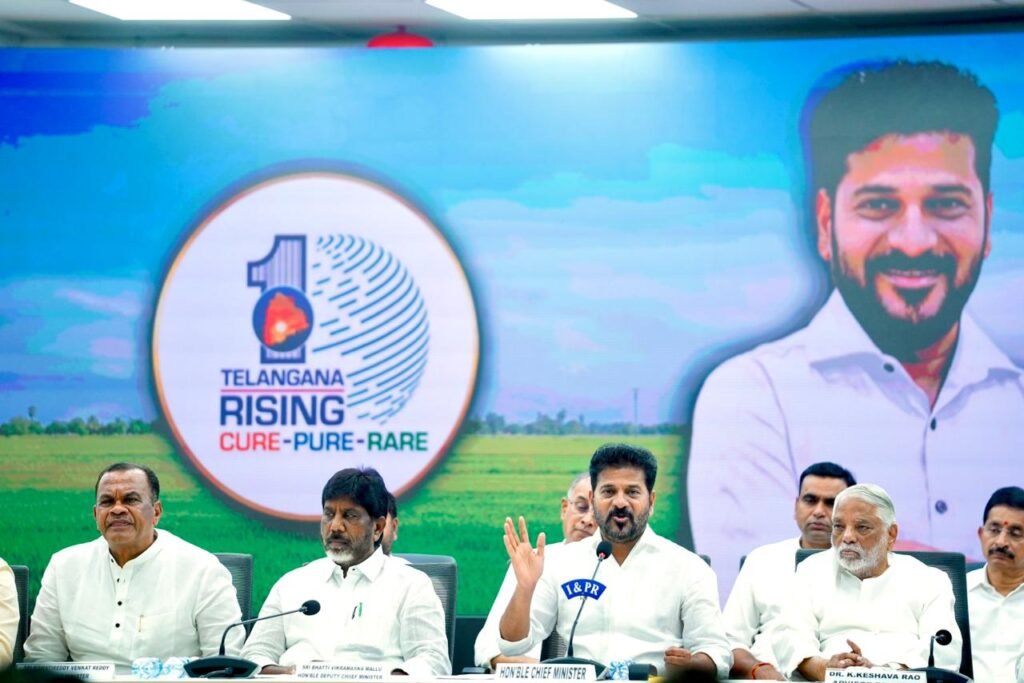
CM Revanth Reddy also raised the issue of the declining population in the southern states due to the implementation of family planning and the significant increase of population in the Northern states. The Chief minister alleged that the centre was trying to relegate southern states to a politically secondary status. Even smaller states like Delhi and Punjab will lose their political relevance. “ This would be an irreparable blow to both the Southern states and the smaller states alike”.
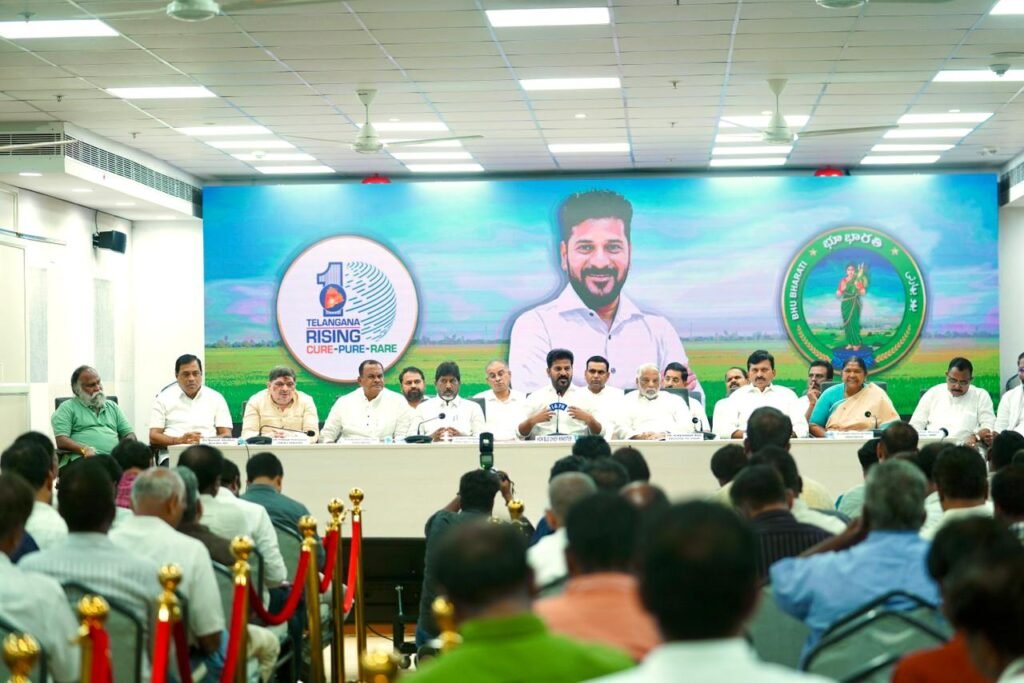
The CM said that he would write a letter to all Southern State CMs and also small states like Punjab and Delhi seeking their cooperation in the fight against the discrimination against the fast-developing states in the delimitation process. The Chief Minister also criticized the BJP government at the centre for not allocating key portfolios to the southern states including constitutional posts like the President. The Southern states were serving as the nation’s economic capitals, while the Northern states were political capitals. We are opposed to a system where some states pay taxes and others dominate. “Southern India contributes significantly to the nation. We are generating income and creating employment and livelihood opportunities. How can the centre penalize us?”. Issues such as the formation of Telangana state and the Naxalite movement arose because of discrimination. The BJP was attempting to further exacerbate this discrimination. “We will unite the southern states, as well as the smaller states, on this issue. We will wait and see how they manage to get the bill passed in Parliament”.
The CM also highlighted the seats have not been allocated on population basis in the Northeastern states and Union Territories. The increase in seats has not been done 100 percent by population criteria, rather, the MP seats were allocated to the Northeastern states and Union Territories specifically to ensure their representation.
CM Revanth Reddy demanded the issue of delimitation must be debated in Parliament and a committee comprising experts should be constituted. A decision should be reached only after the matter has been debated in all State Assemblies and subsequently approved by Parliament. This entire process should be completed by March 2028. The CM appealed to the centre does not rush this process hastily, thereby widening the divide between the South and the North within the country.
The CM stressed that number is important and not percentage in the delimitation of the constituencies. The CM remembered that the Vajpayee government demitted office by a single vote. Without the numbers, no one in politics engages in negotiations with anyone else. CM Revanth Reddy objected to the union minister Bandi Sanjay’s remarks which were detrimental to the interests of SCs, STs, and women in the southern states. If the delimitation of constituencies is implemented based on a 50 percent population ratio, Kishan Reddy and Bandi Sanjay will be considered as peons and stand outside Modi’s residence as their services will no longer be required.
The CM mentioned that the delimitation of constituencies has taken place on three occasions. In 1967, the number of seats was increased to 520. In 1976, it was raised to 542. Subsequently, with the addition of one seat from Sikkim, the total rose to 543. Indira Gandhi imposed a ban increasing the number of seats for a period of 25 years. In 2001, Vajpayee enacted a legislative amendment regarding the delimitation process. As a result of this, in 2009, Telangana was allocated 17 MP seats while Andhra received 25 MP seats. A statutory moratorium on the increase of seats has been imposed until 2026.