

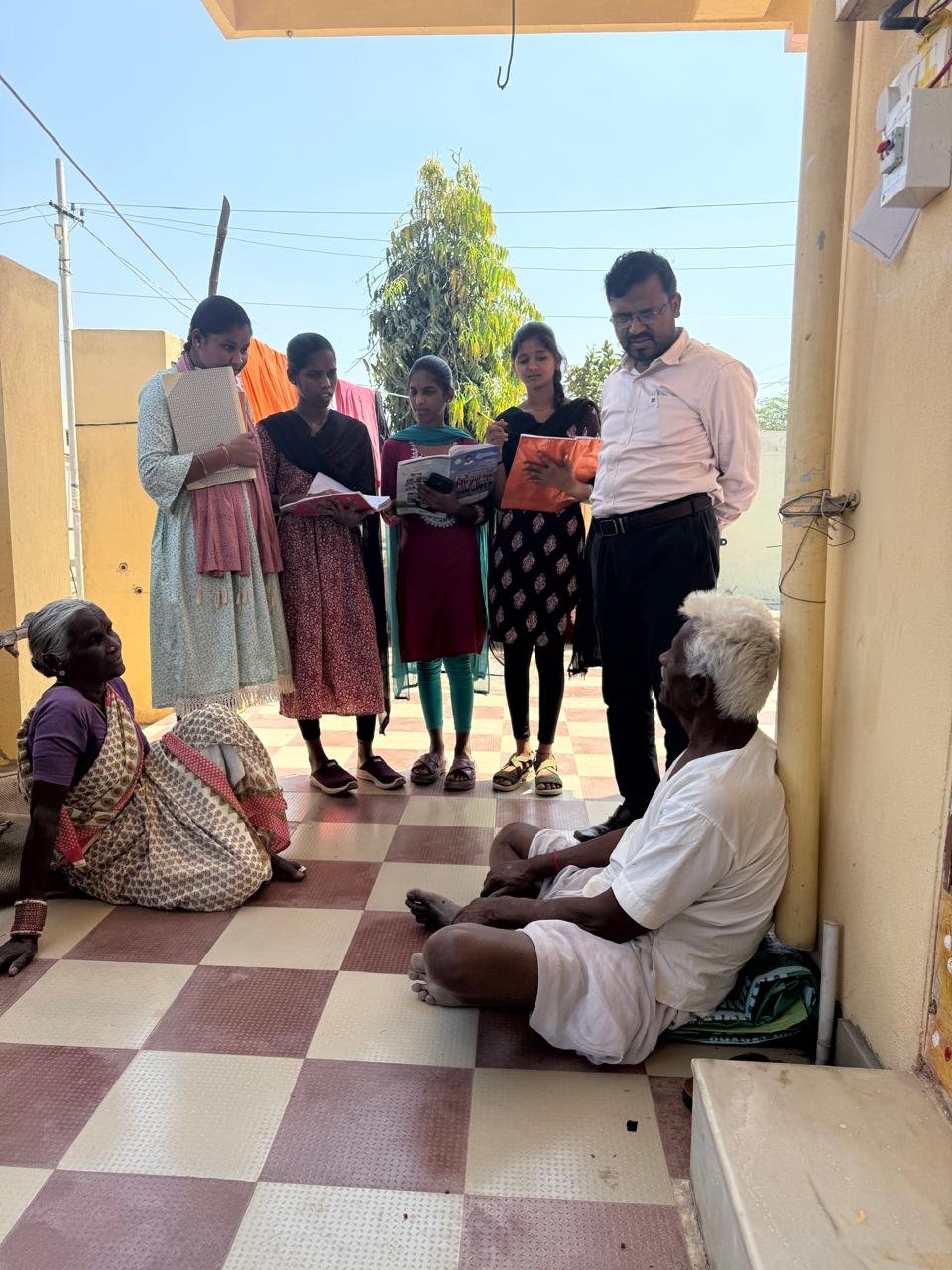
(Dr. M. A. Malik)
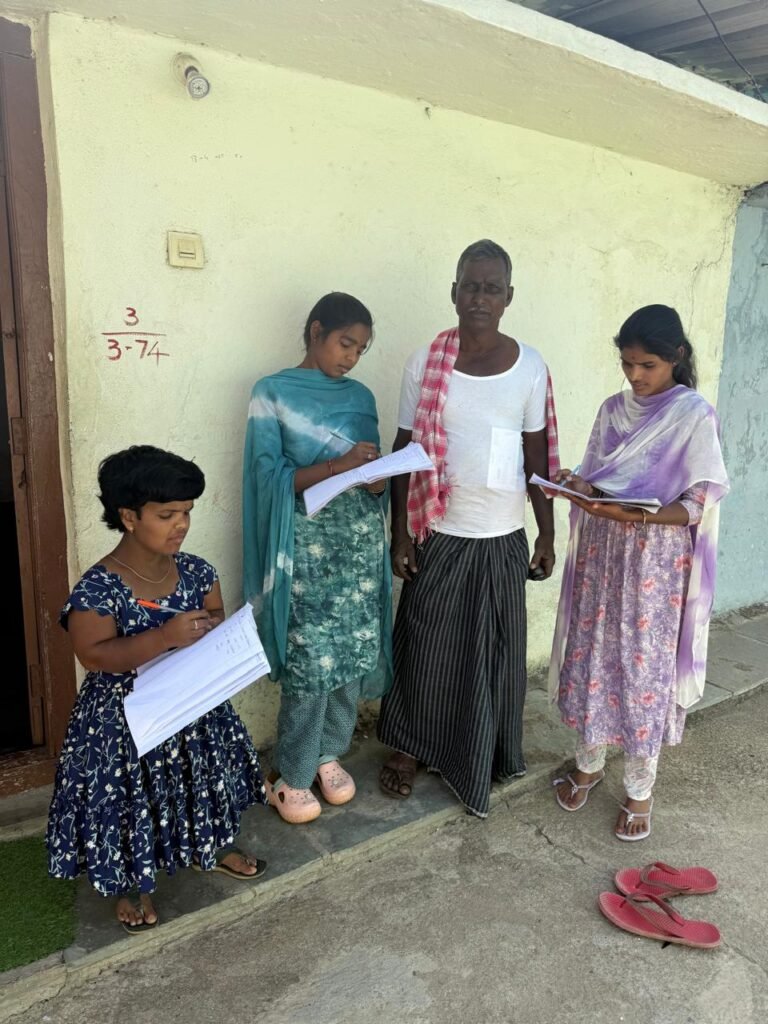
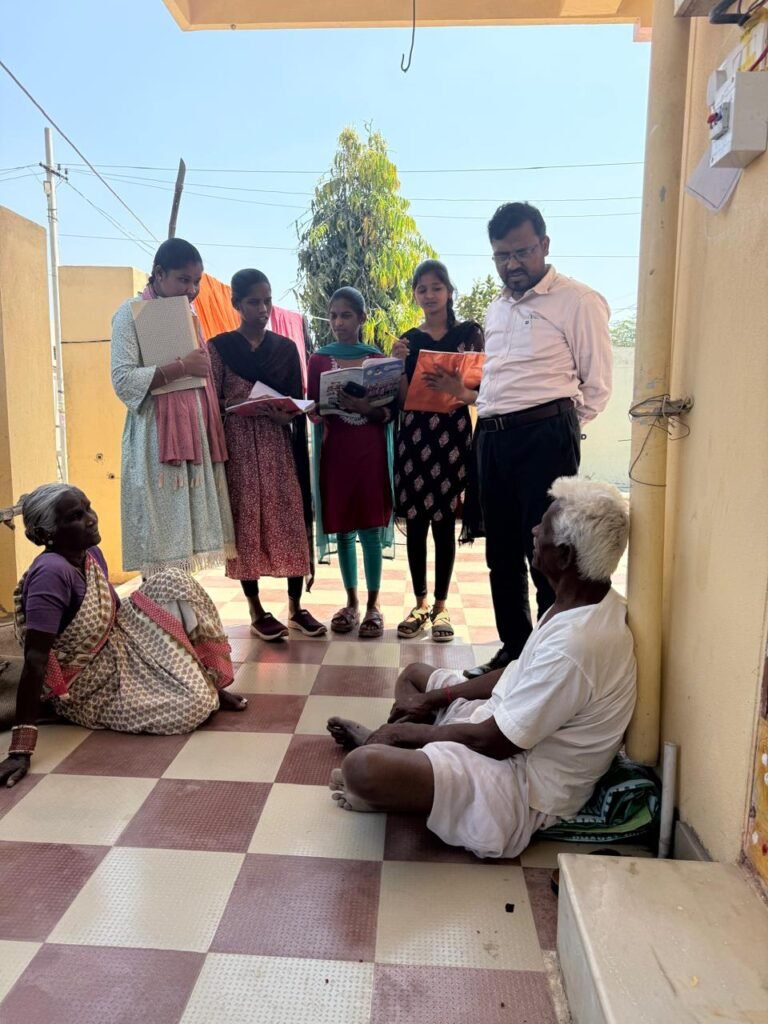
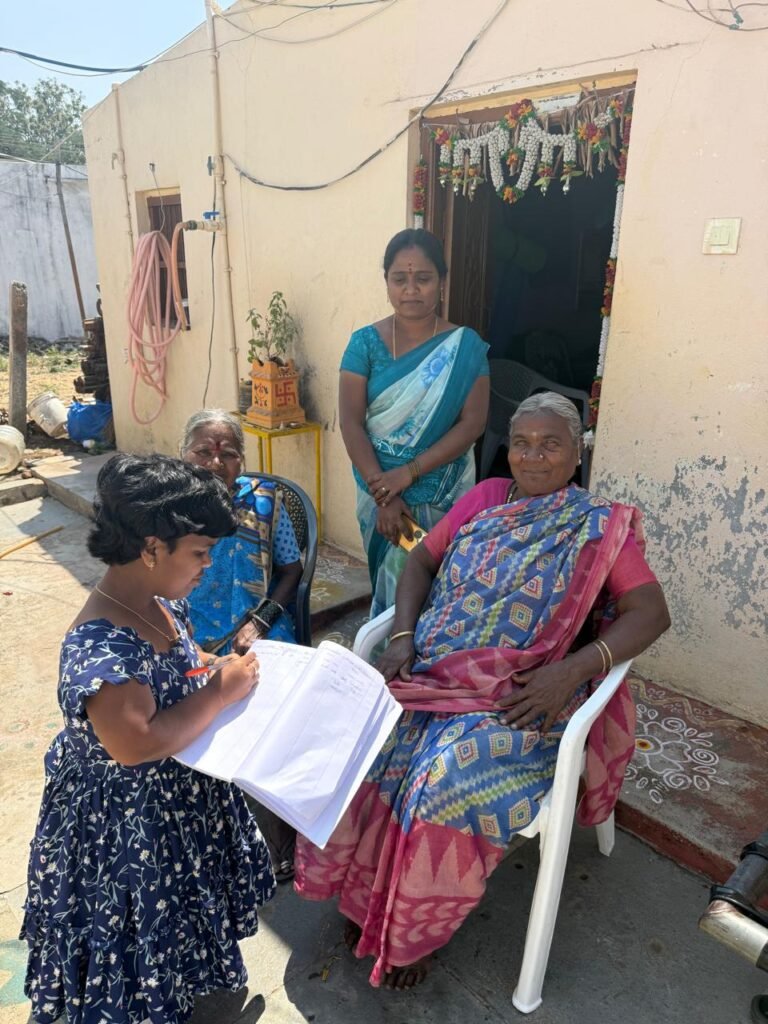
As part of an academic project, I, along with my students from the Department of Economics, Government Degree College, Chevella, visited Devuni Erravalli, a village located about three kilometres from Chevella, on 21 February 2026. During our interaction with farmers especially tenant farmers several serious issues came to light.
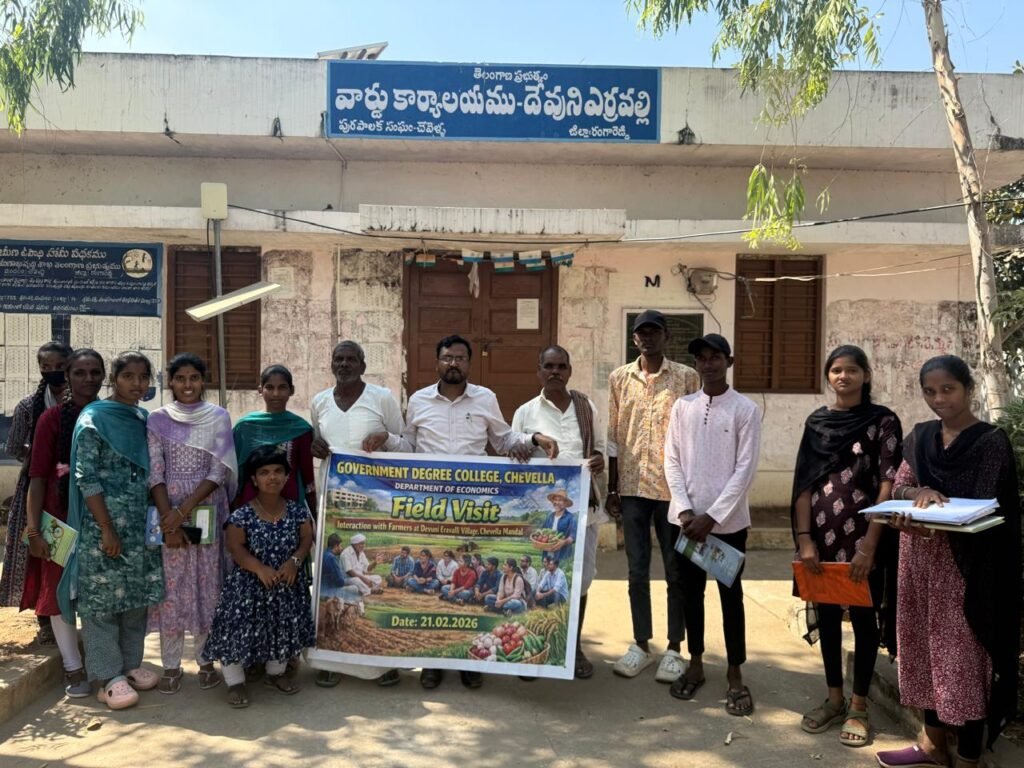
One major concern expressed by land-owning farmers was that even after selling paddy to government procurement centres, payments are being deposited into their bank accounts only after a considerable delay, sometimes up to three months. If a farmer has taken a crop loan, the loan amount is first deducted, and only the remaining balance is credited.
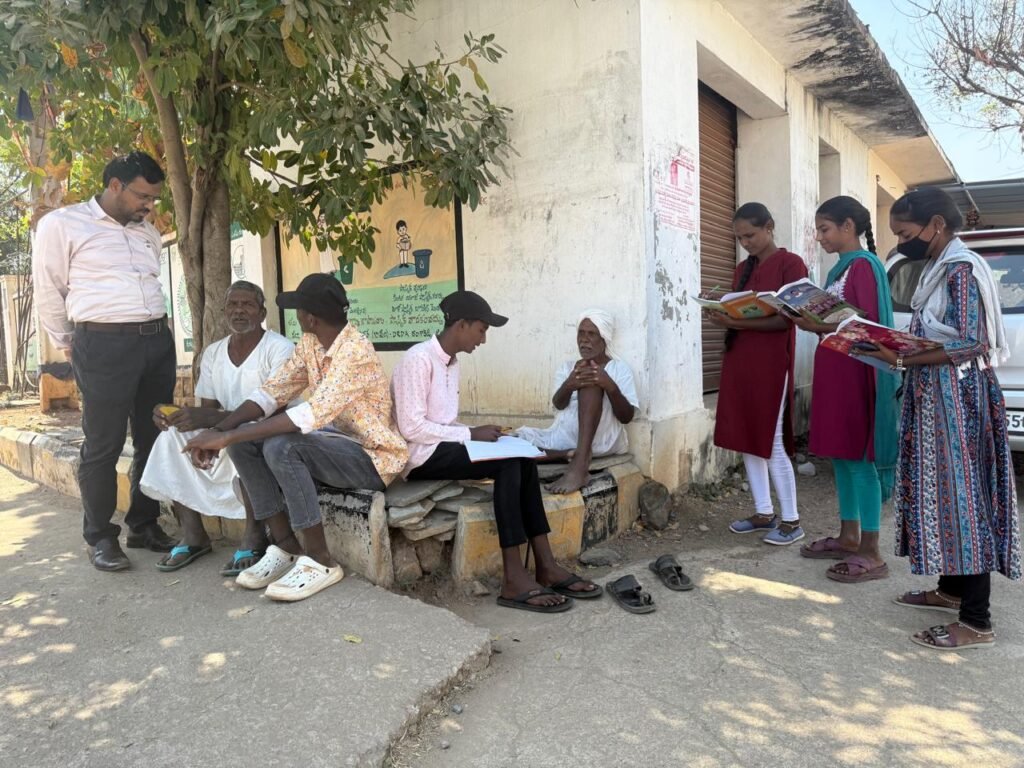
Another pressing issue is the delay in opening government procurement centres soon after harvest. For example, farmers informed us that even though the harvest of red gram (kandi) is complete, the red gram procurement centre at Chevella market yard has not yet begun operations. As a result, farmers are forced to sell their produce to private commission agents at rates far below the Minimum Support Price (MSP) ₹6,000–₹6,500 per quintal instead of the official MSP of ₹8,000.
Farmers also reported that Rythu Bharosa (earlier Rythu Bandhu) has not been disbursed to many since the formation of the new government under Chief Minister Revanth Reddy, and even in the round that was released, not all beneficiaries received it. Consequently, farmers are borrowing money from traders for seeds, fertilisers, and pesticides and selling their produce back to them at lower prices.
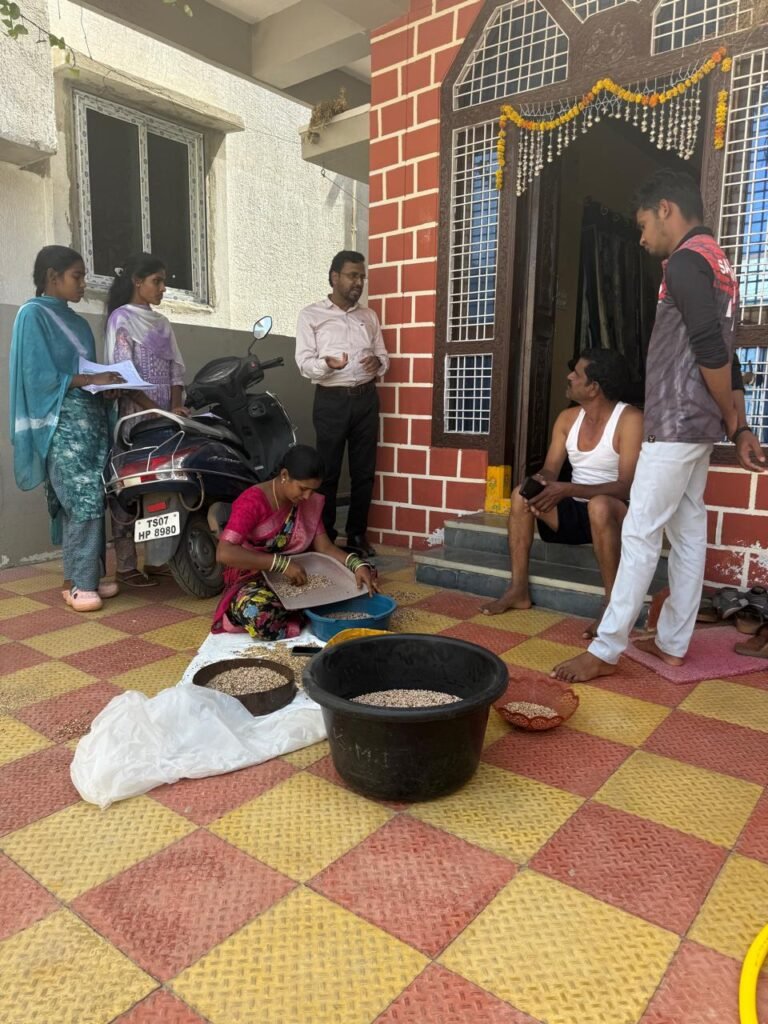
Tenant Farmers: Unending and Severe Distress
According to the Congress Party’s election manifesto, tenant farmers were promised ₹15,000–16,000 per acre as financial support. However, not a single rupee has reached tenant farmers so far. Moreover, tenant farmers are not eligible for crop loans, pushing nearly 50% of farmers in Devuni Erravalli, who cultivate on leased lands, into the hands of moneylenders, commission agents, relatives, and friends (non-institutional credit sources) that charge exorbitant interest rates.
A particularly painful issue is that tenant farmers cannot sell their produce directly at government procurement centres, even though they are the ones who actually cultivate the land. To sell at government centres, they are required to present the Pattadar Passbook (title deed book) of the landowner and landowner should give the fingerprint who is often unavailable, sometimes even living abroad. As a result, tenant farmers are compelled to sell to middlemen at much lower prices.
Failure to Implement Reforms for Tenant Farmers
Although some states like West Bengal, Tripura, and Jammu & Kashmir have provided legal protection and ownership rights to tenant farmers, such reforms have not been implemented in Andhra Pradesh or Telangana.
Telangana initiated reforms through the Licensed Cultivators Act (2011) to issue Loan Eligibility Cards (LECs). However, their implementation remains extremely poor. Though the Congress manifesto promised ₹12,000 per year for agricultural labourers and tenant farmers, no financial support has yet been provided.
Tenant farmers are also excluded from:
• PM-KISAN (₹6,000 per year per land-owning farmer)
• Pradhan Mantri Fasal Bima Yojana (crop insurance)
• Pradhan Mantri Krishi Sinchayi Yojana (irrigation support)
• Agriculture Infrastructure Fund
• Kisan Credit Cards
• Subsidies for micro-irrigation and horticulture
• Benefits of all market support schemes
Despite cultivating the land, tenant farmers receive none of the government benefits extended to landowners.
Committee Recommendations for Supporting Tenant Farmers
Several national and state-level committees pre and post-independence have given strong recommendations to protect tenant farmers.
National Committees
1. Kumarappa Committee (1945) – Security of tenure, encouragement of cooperative farming
2. Foodgrains Policy Committee (1960) – Registration of tenant farmers; prevention of forced eviction
3. V. T. Krishnamachari Committee (1954) – Ownership rights for cultivating tenants
4. Balwant Rai Mehta Committee (1957) – Proper land records; legal protection for tenants
5. Ashok Mehta Committee (1978) – Legalising lease agreements; security of tenure
6. D. P. Wadhwa Committee (Land Reforms) – Loans without collateral; digital land records
7. National Commission on Farmers (Swaminathan Commission, 2004–06) – Recognition as “official cultivators”; access to loans and insurance
8. Planning Commission / NITI Aayog – Legal status for tenancy; dispute settlement mechanisms
Andhra Pradesh Committees
1. AP Rythu Sadhikara Committee – Written lease agreements; direct benefits to tenants
2. AP Inclusive Agri Committee (2011–14) – Annual tenancy records; credit access
3. AP Cabinet Sub-Committee (2019) – Tenant Farmer Assurance Scheme
Telangana Committees
1. Telangana Agriculture Committee (2016–17) – Digital registration; direct subsidies
2. Rythu Sadhikara Committee (2018) – Inclusion of tenants in Rythu Bandhu
3. Telangana Land Reforms Draft Policy – Legalisation of tenancy; loan subsidies; dispute settlement.
Common Recommendations Across All Committees
• Legally recognise tenant farmers
• Mandatory written lease agreements
• Direct access to crop insurance, disaster compensation, and subsidies
• Collateral-free institutional loans
• Access to MSP procurement
• Mandatory village-level registration of tenant cultivation
Although all committees acknowledge the severity of the problems faced by tenant farmers and have provided clear recommendations, successive governments have not implemented them effectively. It is surprising that even Chief Minister Revanth Reddy, who often states that he “owns land cultivated by tenant farmers”, has not taken decisive steps to alleviate their long-standing hardships.

(Author is an Associate Professor of Economics, Government Degree College, Chevella)