

What happened to India?
Parliament has become venue to hurl abuses on one another
(Anita Saluja)
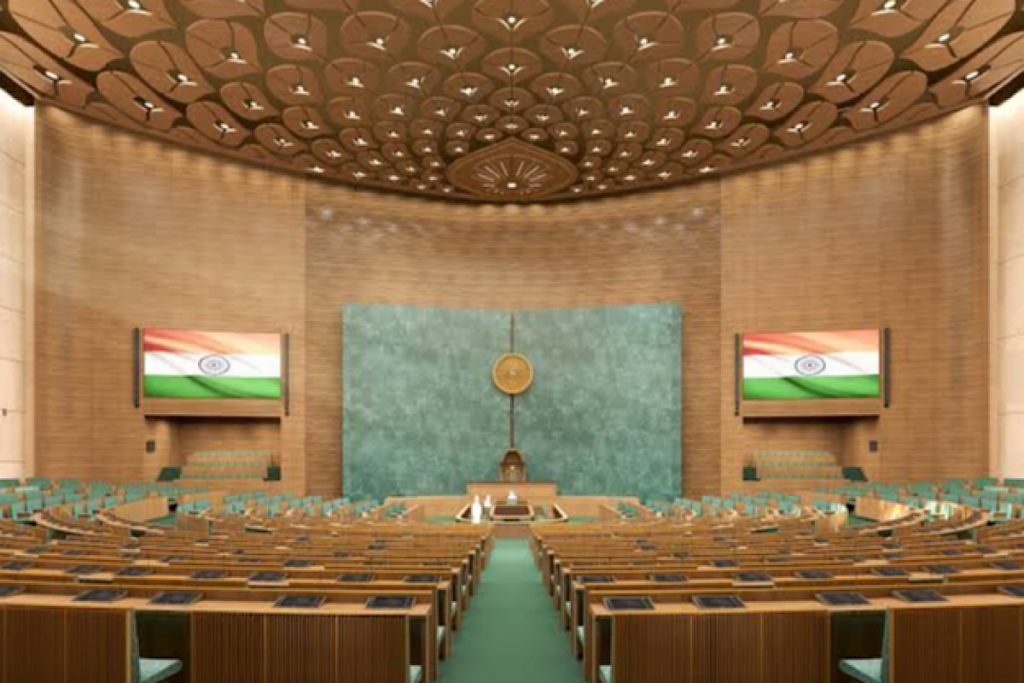
What has happened to India, the world’s largest Democracy? Our Parliament, where debates were held to enlighten the public on vital issues facing the nation, where oratory was at its best in olden times when Pandit Jawaharlal Nehru was confronted by stalwarts like Shyama Prasad Mukherjee, J B Kriplani, Ram Manohar Lohia and Acharya Narendra Dev, etc, Indira Gandhi, as Prime Minister, was mostly bullied by Atal Behari Vajpayee, Madhu Limaye, Piloo Modi, Indrajit Gupta, George Fernandes etc, now unfortunately, the Lok Sabha gets adjourned at the slightest provocation of the Opposition.
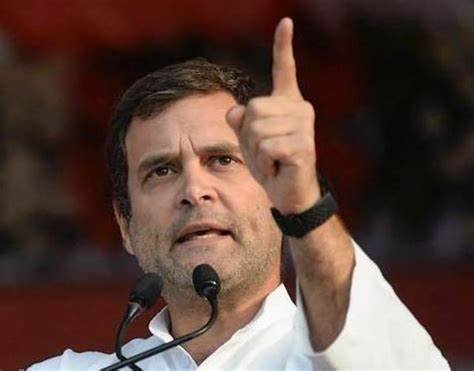
Parliament has become a venue, where both the Ruling & Opposition Parties come prepared to hurl abuses at one another. Tit-for-Tat has become the order of the day, with the Speaker forced to become a spectator. Leader of Opposition Rahul Gandhi showed a Book of former Army Chief General Manoj Mukund Naravane titled Four Stars of Destiny, which revealed how Prime Minister Modi failed to give a clear direction & issue executive orders and instead he asked him to do what he deemed fit, at a time when Chinese forces were moving into the Indian territory towards the Kailash Ridge.
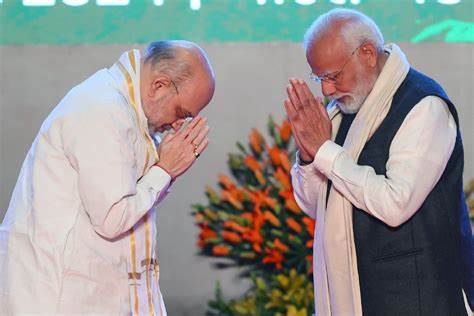
There was uproar in the Lok Sabha with the senior Ministers like Amit Shah, Rajnath Singh, Kiren Rijiju not allowing him to speak. Speaker Om Birla also gave a Ruling in favour of the Treasury Benches not permitting Rahul to speak. The only option left for him was to vent out his anger outside. This time, he went further to tarnish the image of Prime Minister Modi by referring to Epstein Files and saying that the Prime Minister had been compromised on the Trade Deal with the US.
Soon after the adjournment, BJP MP Nishikant Dubey brought books to target former Prime Minister Jawaharlal Nehru saying that he was involved in “aiyyashi, makkari and bhrashtachar” (debauchery, trickery and corruption). This time, Priyanka Gandhi targeted the Speaker for allowing a BJP MP to refer to the Books without authenticating it.
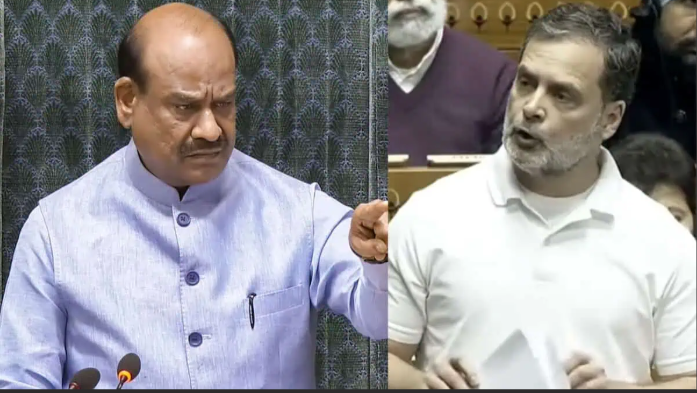
Who is responsible for the tug-of-war inside Parliament? Rahul Gandhi, Treasury Benches or the Speaker? All of them have a role to play in letting the House function in a smooth & peaceful way. Let the Opposition speak its mind and let the Ruling Party counter the Opposition and convince the MPs, when their turn comes. After all, every speaker participating in the debate will get an opportunity to speak. This practice has been prevalent ever since Independence.
Golden rule of Parliament is that the Opposition has its say and the Government has its way. Whatever the Opposition may say, the Government has the last word, in the form of its reply. A senior leader like Defence Minister Rajnath Singh could have been fielded to roundly reject the charges.
Past instances clearly indicate that even during wars, Parliament functioned normally. As an open society, parliamentary debates and discussions are allowed even in extreme circumstances.
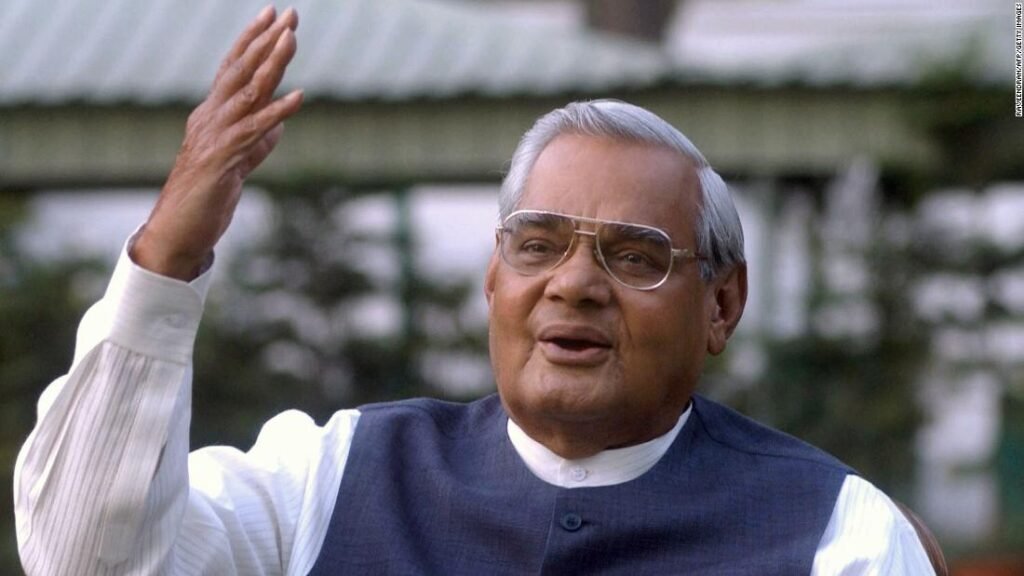
As a young parliamentarian in 1962, former Prime Minister Atal Behari Vajpayee walked up to India’s first Prime Minister Pandit Jawaharlal Nehru and demanded convening of Parliament Session immediately to discuss the situation in the wake of large-scale, simultaneous and sudden attack by China all along the Indian border on October 20, 1962.

Conceding the young Vajpayee’s demand, Pandit Nehru convened the session from November 8, 1962 and the young Vajpayee got his chance on November 9 to blast the Nehru Government, virtually in the middle of the war, as it lasted till November 21, 1962.
Parliament was in session again during the India, Pakistan War in 1971. After 5.30 PM, on December 3, 1971, Pakistani Air Force launched full-scale attack on India, bombing airfields in Amritsar, Pathankot, Srinagar, Avantipur, Uttarlai, Jodhpur, Ambala and as deep as in Agra, which is so close to Delhi. Parliament Session was not curtailed. Far from it, the then Prime Indira Gandhi, who was away in. Kolkata, rushed back to the Capital and held meetings, including one with the Opposition. Next day, on December 4, 1971, she made a statement in Lok Sabha on the attack by Pakistan. A state of external Emergency imposed the previous night, was tabled in Parliament.
At the height of the war, on December 15, 1971, Indira Gandhi wrote a letter to the then US President Richard M Nixon, saying there are moments in history, when brooding tragedy and its dark shadows can be lightened by recalling great moments of the past. Invoking the American Declaration of Independence, she quoted it saying whenever any form of Government became destructive of man’s inalienable rights to life, liberty and pursuit of happiness, it was the right of the people to alter or abolish it, arguing the case for the people of Bangladesh.
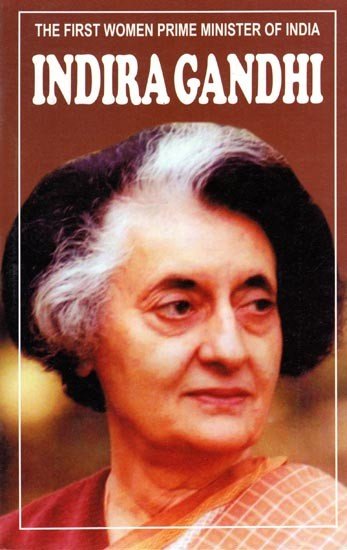
When Pakistani forces surrendered in Dhaka on December 16, 1971, at 4.30 PM, Indira Gandhi rushed to the Lok Sabha to make the announcement of the end of the war.
It is nearly four decades since the Bofors scandal came into light on April 16, 1987, following a Swedish Radio broadcast revealing the making of payments to secure the howitzer gun deal. On April 20, 1987, the then Prime Minister Rajiv Gandhi made a statement in the House, denying the contents of the Swedish Radio broadcast.
In the current controversy, proceedings in the House took an interesting turn. Following Speaker Om Birla’s ruling under Rule 349 that a book, article or letter cannot be quoted, unless it is linked to the business of the House, Leader of Opposition Rahul Gandhi quietly changed his strategy. He said he will not quote from any material but focus on the issue of India-China military standoff.
Here was the opening for the floor managers to achieve a breakthrough. A mature political approach would have been to take advantage of it, to amicably settle the issue.
Here the spat took an ugly turn with accusations being hurled against the Prime Minister outside the Lok Sabha & vice-versa. What difference does it make if the slanderous charges are made inside or outside Parliament. Instead, it’s better to have friendly relations with the Opposition than finding an opportunity to brow-beat them. No one will become a winner except everyone will get exposed. Mud-slinging should be stopped for a better projection of our Democracy, world-over. It’s not for nothing that people refrain from becoming politicians, now-a-days !

(Writer is Delhi-based senior journalist, political commentator and analyst. Views are personal.)